
Lung cancer experts call for improved EGFR mutation testing to allow all eligible NSCLC patients access to personalised treatment
- Insights from Western Europe and North America reflect on gaps in EGFR testing and treatment by mutation subtype, and provide country-level context as a catalyst for change
- Experts’ shared vision for all eligible NSCLC patients to have the most appropriate diagnostic tests and access to personalised treatment
INGELHEIM, Germany--(BUSINESS WIRE)--Insights from experts working on-the-ground in lung cancer, compiled by Boehringer Ingelheim, shed light on challenges faced by patients with advanced stage adenocarcinoma, a type of non-small cell lung cancer (NSCLC), in being tested for EGFR mutations, leaving some without access to the most appropriate treatment for them.
A new insights report sees healthcare professionals and patient group representatives reflect on existing gaps in nationwide EGFR testing, which should be conducted for eligible patients upon diagnosis according to guidelines1.
Dr Matthew Peters, Professor of Respiratory Medicine, Macquarie University Australia and Chair, Global Lung Cancer Coalition commented, “Whilst country-level insights within this report do vary, common barriers to achieving EGFR testing and personalised treatment for all eligible patients are clear. Education is key: for patients, healthcare professionals and the wider community. More is needed to bring us closer to helping each and every NSCLC patient receive the right treatment for them.”
Country-level themes identified by experts from Western Europe and North America include:
- Germany: insufficient reimbursement for mutation tests impacts EGFR testing rates for inpatients (majority of patients are diagnosed in an inpatient setting)
- Italy: high number of patients are tested for EGFR mutations, but some patients and caregivers ask to start first-line treatment before receiving test results
- Spain: many cancer centres are currently achieving high EGFR testing rates, but disparity exists as some centres are increasingly impacted by the growing economic crisis
- UK: despite high levels of EGFR testing, some patients start treatment before results of this testing are available, so treatment is not personalised for their mutation
- Canada: a healthcare system which is publically funded through each province and territory brings forth challenges in ensuring all eligible patients across the country are EGFR tested at diagnosis
- USA: a substantial percentage of treatment decisions are not based on EGFR mutation subtype resulting in patients not receiving the most appropriate personalised treatment plans
Experts unite with a shared vision where all eligible NSCLC patients have the most appropriate diagnostic tests and access to personalised treatment. Common barriers holding back the realisation of this vision include difficulties in obtaining adequate tumour tissue samples to test, and delays in receiving test results. This is important as data have shown that EGFR targeted treatments significantly delay disease progression when compared to chemotherapy. For a specific targeted therapy, extended overall survival of patients with the most common type of mutation (del19) when compared to chemotherapy has also been observed.2
Dr Mehdi Shahidi, Medical Head, Solid Tumour Oncology, Boehringer Ingelheim added, “EGFR testing rates have improved dramatically over recent years, but there is still work to be done. Targeted therapies can benefit patients with EGFR mutation-positive lung cancer by delaying disease progression and for some, offering survival advantages compared to chemotherapy. This is why EGFR mutation testing and acting on the results of these tests is so important. Healthcare teams need to optimise the tools, resources and tests available to improve access to personalised treatment, for the ultimate benefit of patients.”
###
Intended audiences:
This press release is issued from our Corporate Headquarters in Ingelheim, Germany and is intended to provide information about our global business. Please be aware that information relating to the approval status and labels of approved products may vary from country to country, and a country-specific press release on this topic may have been issued in the countries where we do business.
For references and notes to editors please visit: https://www.boehringer-ingelheim.com/news/news_releases/press_releases/2015/30_november_2015_oncology.html
Contacts
Boehringer Ingelheim
Corporate Communications
Media + PR
Susanne Granold
Phone: +49 6132 – 77 93319
Fax: +49 6132 – 77 6601
Email: press@boehringer-ingelheim.com
or
Further Media Channels
www.facebook.com/boehringeringelheim
www.twitter.com/Boehringer
www.youtube.com/user/boehringeringelheim
本文链接:http://www.iruis.com/News/cninfo/39384.shtml





热门资讯
工付宝:第一款瞄准建筑工人的互联网金融App,靠谱…
点击:108

大众点评美团启动新轮融资,加速上市计划
点击:110

Smartscooters:环保电动智能摩托车
点击:107

继滴滴保险赔付升级后,Uber提升最高赔付金额至10…
点击:106

10条创业“技巧”帮助你培养正确思考方式
点击:102

亲亲宝贝张雷:母婴行业别再嘴尖皮厚腹中空了
点击:76
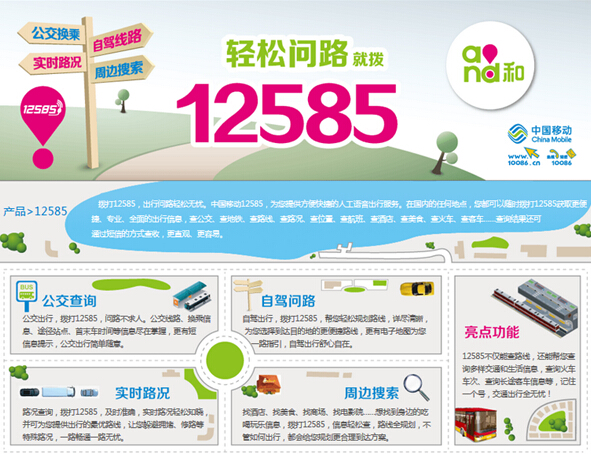
四维图新联合图吧与中国移动达成战略合作
点击:64
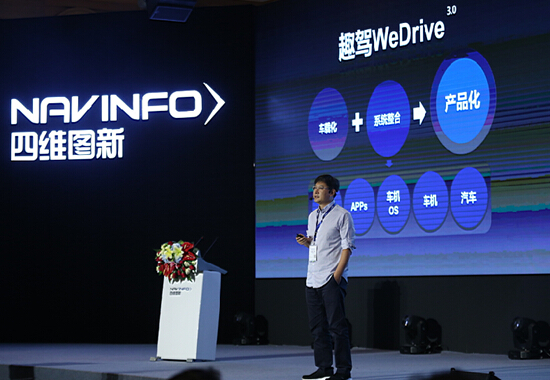
趣驾WeDrive3.0重磅发布 闪耀四维图新2015UG大会
点击:49

网爆:猎车网将公布汽车电商的成本
点击:41

OBD双十一销量劲爆 图吧汽车卫士出货夺冠
点击:13